When Is the Best Time to Repair Parging in Ottawa?
If the parging on your foundation is cracked, chipped, or falling off, fall is often a good time to have it repaired. In Ottawa, though, the calendar is only part of the story. Here is what Ottawa Parging Experts looks at when scheduling a repair: temperature, curing time and the condition of the wall.
A parging repair needs enough time to set and cure before it is exposed to freezing temperatures. That makes a warm September or early October day very different from a cold, wet day in late November.
For most homeowners, the safest approach is to deal with damaged parging while there is still a reasonable stretch of mild weather. Waiting until the first serious cold snap can turn a relatively simple repair into a job that has to be postponed.
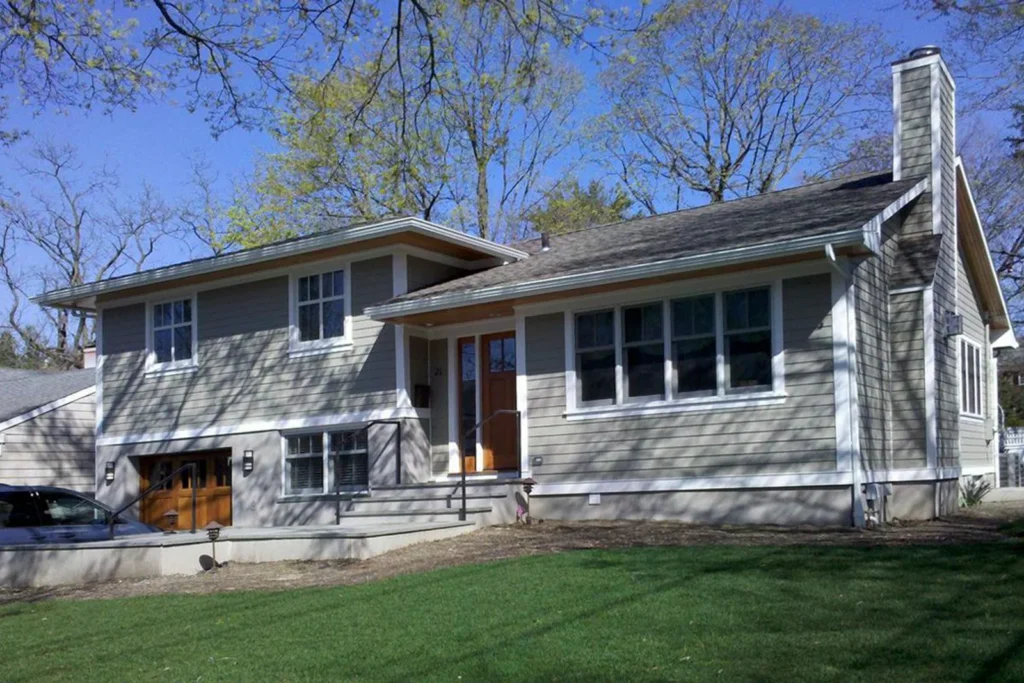
When is the best time to repair parging in Ottawa?
There isn’t a single date when parging work has to stop.
In general, spring and fall are the most comfortable seasons for exterior parging, provided temperatures are suitable for the material being used. Early fall is particularly convenient because the extreme heat of summer has passed, while there is usually still enough warmth for cement-based materials to cure properly.
The tricky period is late fall.
Ottawa can have mild afternoons followed by nights near or below freezing. That can create poor conditions for a repair even when the daytime forecast looks acceptable.
A contractor should look at the weather over the curing period, not just the temperature at the time the material is applied.
For example, a repair made on a mild afternoon isn’t necessarily a good idea if temperatures are expected to drop sharply that night. The condition of the foundation itself matters too. A cold or damp wall can behave very differently from a dry wall that has warmed throughout the day.
Why cold weather is a problem for parging
Parging is generally a cementitious material. Like concrete and other cement-based products, it needs suitable conditions to develop strength.
Cold temperatures slow curing. Freezing during the early stages can cause problems with the finished repair, including poor strength, surface deterioration, cracking, or bonding problems.
That’s why simply asking whether it is “above freezing” isn’t enough.
Before a repair is started, the contractor should consider:
- The current air temperature
- The temperature of the foundation surface
- Overnight temperatures
- Rain or other precipitation
- Whether the wall is damp
- Wind and sun exposure
- The product being installed
- The manufacturer’s application and curing requirements
The last point is particularly important. Different products can have different requirements, so there isn’t one temperature that can honestly be given as the universal cutoff for every type of parging.
Is October too late for parging in Ottawa?
Not necessarily.
A warm October can provide perfectly reasonable conditions for exterior masonry work. The problem is that Ottawa weather can become unpredictable as the season progresses.
Early October and late October shouldn’t automatically be treated as equivalent. A contractor looking at a late-season job should consider the forecast for the days following the installation and whether the work can be protected if temperatures become marginal.
By November, the number of suitable workdays generally becomes much smaller.
That doesn’t mean every November repair is impossible. It means there is less room for error, and a contractor should have a good reason for proceeding rather than simply trying to squeeze the job in before winter.
If the conditions aren’t right, waiting for a better weather window is usually preferable to installing a repair that may fail after the first freeze.
What temperature does parging need?
There is no reliable universal answer such as “parging must be done above 5°C.”
The requirements depend on the particular material and installation system.
Many cement-based products specify minimum temperatures for application and curing. Some also require the newly installed material to be protected from cold weather for a certain period.
That means the contractor should check the technical information for the product being used rather than relying on a generic rule.
The foundation surface is just as important as the air temperature.
A wall can remain cold after a night near freezing. Frost, ice, excessive moisture, and a frozen substrate can all create problems for a new coating.
If conditions are borderline, the right answer may simply be to wait.
Ottawa’s freeze-thaw cycles can be hard on damaged parging
Ottawa foundations have to deal with a lot of temperature changes over the course of a year.
Water is one of the main concerns. Cracks and deteriorated areas can allow moisture to get into porous masonry. When that moisture freezes, it expands. Repeated freezing and thawing can gradually make existing damage worse.
This is one reason homeowners sometimes notice that a small area of damaged parging becomes a much larger repair after a winter.
That doesn’t mean every cracked patch is caused by freeze-thaw damage. Poor bonding, movement in the substrate, moisture problems, improper preparation, and the original installation can all contribute.
If the same area keeps failing, it is worth finding out why instead of repeatedly covering it with another coat.
How to tell whether your parging needs repair
Take a walk around the foundation and look closely at the exposed walls.
Cracks
Small cracks in the parging don’t automatically mean there is a serious foundation problem.
However, cracks that are widening, recurring after previous repairs, or extending through the underlying masonry deserve more attention.
Flaking or peeling
If pieces of the coating are loose, they generally shouldn’t be left in place and covered with new material.
Loose material needs to be removed so the new repair has a sound surface to bond to.
Missing parging
When sections have completely fallen away, the underlying concrete or block is exposed to the weather.
A small missing patch isn’t necessarily an emergency, but larger areas should be assessed before they deteriorate further.
Spalling
If the concrete or masonry underneath the coating is itself breaking down, simply replacing the parging won’t solve the problem.
The damaged substrate needs to be addressed first.
White deposits
White, powdery deposits on masonry are commonly referred to as efflorescence. They can occur when moisture moves through the masonry and leaves salts behind as it evaporates.
Cleaning the surface and putting fresh parging over it may make the wall look better temporarily, but it won’t eliminate an ongoing moisture problem.
Does cracked parging mean the foundation is cracked?
Not necessarily.
Parging is a surface coating, so it can crack, shrink, or lose its bond without the foundation itself being structurally damaged.
There are situations where the underlying foundation does need closer inspection, though.
Pay particular attention to:
- Large cracks in concrete block or concrete
- Stair-step cracking in block walls
- Large horizontal cracks
- Noticeable displacement or bowing
- Cracks that repeatedly reopen after repair
- Water entering through the foundation
- Other evidence of foundation movement
The distinction matters because parging is not a structural repair. A new coat can improve the appearance and protect the surface, but it won’t correct a moving foundation or a significant water problem.
Preparation is a big part of a good parging repair
A new coat of parging is only as good as the surface underneath it.
This is where two repairs that look similar on completion can perform very differently over the next few winters.
A proper repair may include:
1. Assessing the existing parging
The first step is figuring out what has failed and whether the damage is confined to the coating.
2. Removing loose material
Flaking and poorly bonded sections should be removed rather than buried under a new layer.
3. Cleaning the surface
Dust, dirt, loose particles, and other contaminants can interfere with adhesion.
4. Dealing with underlying problems
If water is getting into the wall, or if there is a significant crack in the masonry, that problem should be considered before the surface is repaired.
5. Applying the appropriate material
The repair material should be compatible with the substrate and installed according to the product instructions.
6. Protecting the repair while it cures
When temperatures are marginal, appropriate protection may be necessary. The exact method depends on the product, weather conditions, and scope of the work.
The preparation isn’t particularly exciting to look at once the job is finished, but it can make a major difference to how long the repair lasts.
Is polymer-modified parging better?
Polymer-modified cementitious products are commonly used for certain masonry repair applications.
Depending on the formulation, polymers can improve properties such as adhesion, flexibility, and resistance to moisture and weather exposure. Some products also include fibres or other forms of reinforcement.
That doesn’t make polymer-modified material a magic solution.
If the substrate is moving, wet, dirty, poorly prepared, or otherwise unsuitable, a more expensive product won’t fix the underlying problem.
The material should be chosen based on the particular foundation and repair rather than simply choosing whichever product sounds most advanced.
Can parging be done in late fall?
Sometimes, yes.
The question is whether there is enough suitable weather for the material to be installed and cured properly.
Before proceeding with a late-season repair, a contractor should consider:
- What temperatures are expected during the curing period?
- Will the foundation remain above the product’s minimum requirements?
- Is rain in the forecast?
- Are overnight temperatures dropping toward freezing?
- Can the work be protected from cold weather?
- Is the substrate dry and free of frost?
- Does the product have specific cold-weather requirements?
If the forecast is poor, there is little benefit in rushing the work just because winter is approaching.
In some cases, the better option is to remove unstable material, protect the exposed area as appropriate, and schedule the permanent repair when conditions improve.
What about repairing parging in spring?
Spring can be a good time for the same reason fall can be: temperatures can be moderate enough for exterior masonry work.
The challenge is that early spring can also be cold and wet.
A foundation may remain damp from snowmelt, and temperatures can fluctuate considerably between daytime and nighttime. A contractor needs to look at the actual conditions rather than assuming that a calendar date makes the job suitable.
If you notice damage in the spring, an inspection can help determine whether it needs immediate attention or whether it can safely wait for a better weather window.
Parging vs. stucco
Parging and stucco are both cementitious materials, but they aren’t simply two names for the same product.
| Feature | Parging | Stucco |
|---|---|---|
| Typical use | Foundations and masonry surfaces | Exterior wall finishes |
| Primary purpose | Protective and finishing coating | Exterior finish/cladding system |
| Application | Usually a relatively thin coating | Often a multi-layer system |
| Substrate | Commonly concrete, block, and masonry | Depends on the stucco system |
| Reinforcement | Depends on product and application | Often incorporates reinforcement |
| Waterproofing | Not a substitute for foundation waterproofing | Not automatically a waterproofing system |
The installation details depend on the specific system being used.
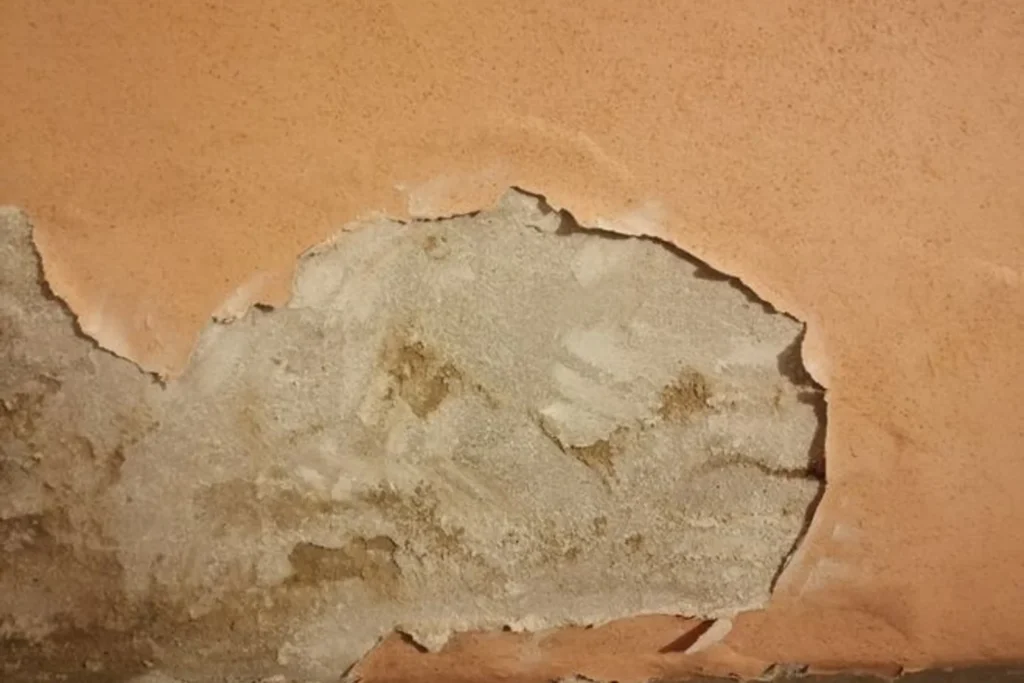
What parging won’t fix
Parging is a surface treatment. It shouldn’t be used as a cure-all for foundation problems.
It won’t automatically fix:
- Foundation movement
- Major foundation cracks
- Poor grading
- Drainage problems
- Hydrostatic pressure
- Failed waterproofing
- Foundation leaks caused by another defect
- Damaged masonry underneath the coating
If you’re seeing water in the basement, significant cracking, or movement in the foundation, the underlying issue should be investigated before cosmetic surface repairs are carried out.
When should you have your parging inspected?
You don’t necessarily need a contractor every time you find a tiny crack.
It’s worth getting the foundation looked at if you have:
- Large areas of loose or missing parging
- Cracks that continue to grow
- Repairs that keep failing in the same location
- Exposed concrete block or concrete over significant areas
- Persistent moisture or water problems
- Signs of movement in the foundation
- Damage that is spreading quickly
An inspection can help determine whether you need a small patch, more extensive parging replacement, or investigation of a separate foundation issue.
Ottawa Parging Experts provides parging services in the Ottawa area and can assess an existing foundation coating and recommend the appropriate repair.
Frequently Asked Questions
What is the best time of year for parging in Ottawa?
Fall and spring can both provide good conditions, but the weather on the actual work and curing days matters more than the season itself. Early fall is often a convenient time because temperatures are moderate and there is still plenty of time before winter.
Can parging be done when it is 5°C outside?
Possibly, depending on the product and the conditions. Check the manufacturer’s requirements for application and curing rather than relying on 5°C as a universal rule. Overnight temperatures and the temperature of the foundation surface also matter.
Can I repair parging in winter?
Standard exterior parging should not simply be applied to a frozen or frost-covered foundation. Some products and contractors have procedures for working in colder conditions, but those procedures need to meet the material manufacturer’s requirements.
Does cracked parging mean my foundation is cracked?
No. Parging can crack independently of the foundation. However, significant, recurring, or widening cracks should be inspected to determine whether the underlying masonry is also damaged.
Can you apply new parging over old parging?
Sometimes. It depends on the condition of the existing coating and the repair system. Loose, flaking, or poorly bonded material generally needs to be removed rather than covered.
Does parging waterproof a foundation?
No. Parging can protect and finish a foundation surface, but it isn’t a replacement for foundation waterproofing. If water is entering the basement, the source needs to be investigated.
How long should parging last?
There isn’t a fixed lifespan. The durability of a repair depends on the substrate, preparation, material, installation, moisture exposure, drainage, weather, and other site conditions. If the same area keeps failing, there may be an underlying problem rather than simply an old coating.
Is polymer-modified parging worth it?
It can be, depending on the application. Polymer-modified products can offer useful performance advantages, but choosing the right product and preparing the substrate properly are still critical.
The bottom line
If you’re trying to decide whether to repair your parging before winter, don’t focus too heavily on the calendar.
In Ottawa, early and mid-fall can be very good times for parging, but a mild day in late fall can also be suitable if the product requirements and forecast allow enough time for proper curing.
What matters is the combination of the weather, foundation temperature, substrate condition, material, preparation, and curing conditions.
If your parging is already cracked or falling away, getting it assessed before the weather turns consistently cold gives you more options. You may need nothing more than a localized repair, or the inspection may reveal a moisture or foundation issue that needs to be dealt with first.
The important question isn’t just how bad the parging looks.
It’s why it failed in the first place.
Ottawa Parging Experts can assess existing parging in the Ottawa area and provide an estimate for the required repair.
Published by Ottawa Parging Experts, a foundation parging company serving Ottawa and nearby communities. Questions about this article? Contact us.