Can Parging Be Repaired, or Does the Wall Need a Full Recoat?
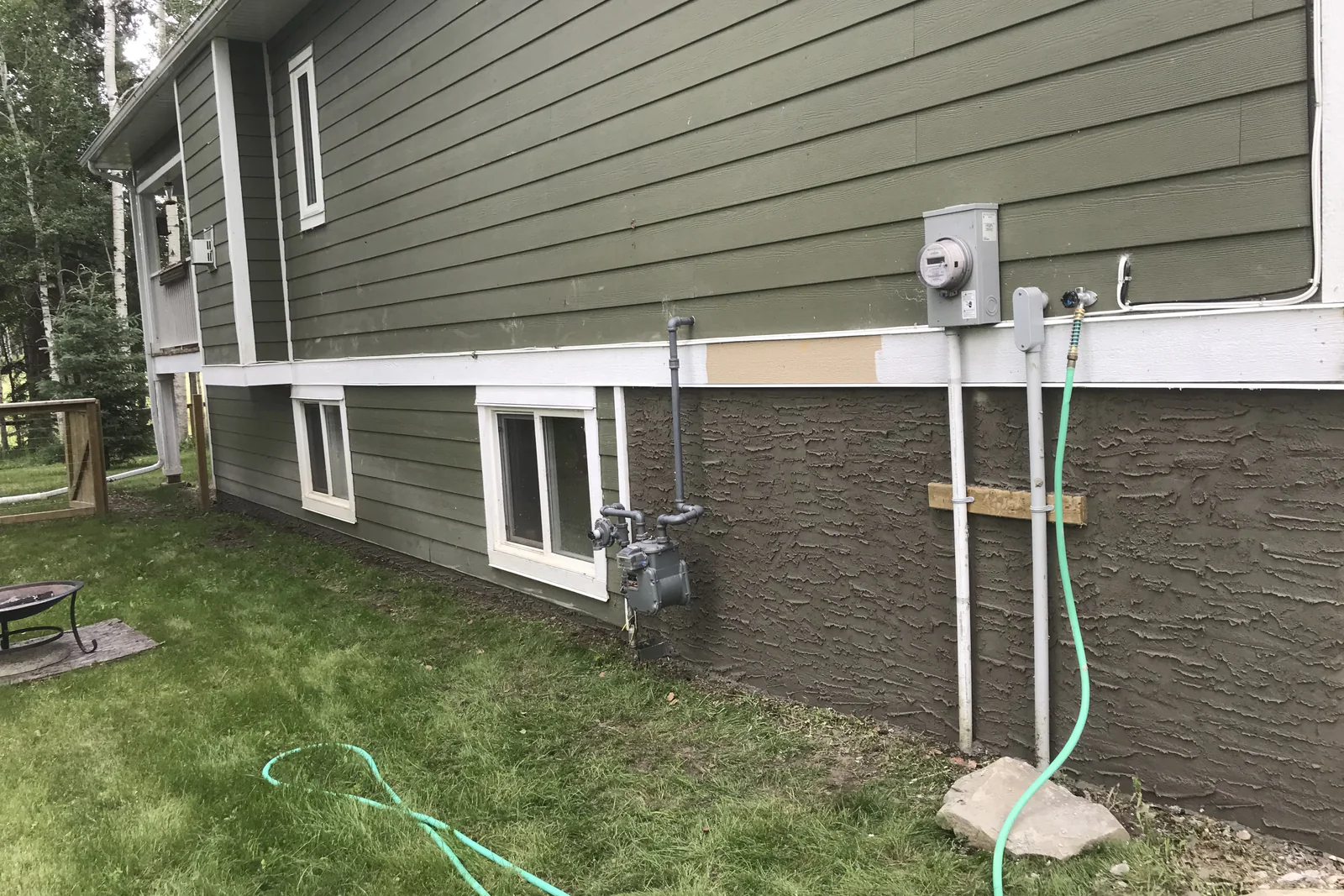
Damaged parging does not automatically mean the whole foundation needs to be recoated. If the problem is confined to one area and the material around it is firmly bonded, a local parging repair may be all that is required. In this guide, Ottawa Parging Experts sets out when a patch is enough and when a full recoat makes more sense.
The decision changes when the wall has widespread flaking, crumbling or hollow spots. In that case, a series of patches can cost almost as much as a broader recoat and still leave the wall looking uneven.
The key question is not simply how many cracks you can see. It is how much of the existing parging is still sound.

Is the Damage Local or Widespread?
Start by looking beyond the visible chip or crack. Parging can separate from the foundation without falling off right away, so a small damaged area may be surrounded by a much larger section that has lost its bond.
A contractor will typically tap around the damaged area and listen for a hollow sound, check whether the edges are loose, and scrape questionable sections to see whether the material is hard or powdery. The concrete or block underneath should also be checked for cracks, open joints and signs of moisture.
| Condition | Likely scope |
|---|---|
| One chip with solid material around it | Local patch |
| A small hollow area | Remove it back to sound edges and patch |
| A stable crack limited to the finish | Investigate the cause, then repair |
| Several hollow or flaking areas | Partial or full-wall recoat |
| Parging that crumbles when scraped | Remove the weak material before recoating |
| A widening, displaced or leaking crack | Assess the foundation first |
| Bowing or bulging in the wall | Structural assessment before finish work |
There is no reliable percentage that separates a patch from a recoat. What matters is whether the parging left in place can support the new material. A practical warning sign is a repair area that keeps growing as loose sections are removed.
When a Patch Is the Right Repair
Patching works well for isolated impact damage, a small flaked area or one hollow section surrounded by solid parging. It may also be suitable for a crack that is confined to the finish rather than continuing into the foundation.
All loose material must be removed first. The repair should extend to hard, firmly bonded edges rather than stopping at the outline of the visible damage. The exposed concrete or block is then cleaned and prepared for a compatible cement-based repair product.
Even a technically sound patch may remain visible. New parging is usually lighter than an older, weathered wall, and matching a hand-applied texture can be difficult. If the repaired wall faces a patio, entrance or other prominent area, recoating that wall may be worth considering for appearance alone.
When Recoating Makes More Sense
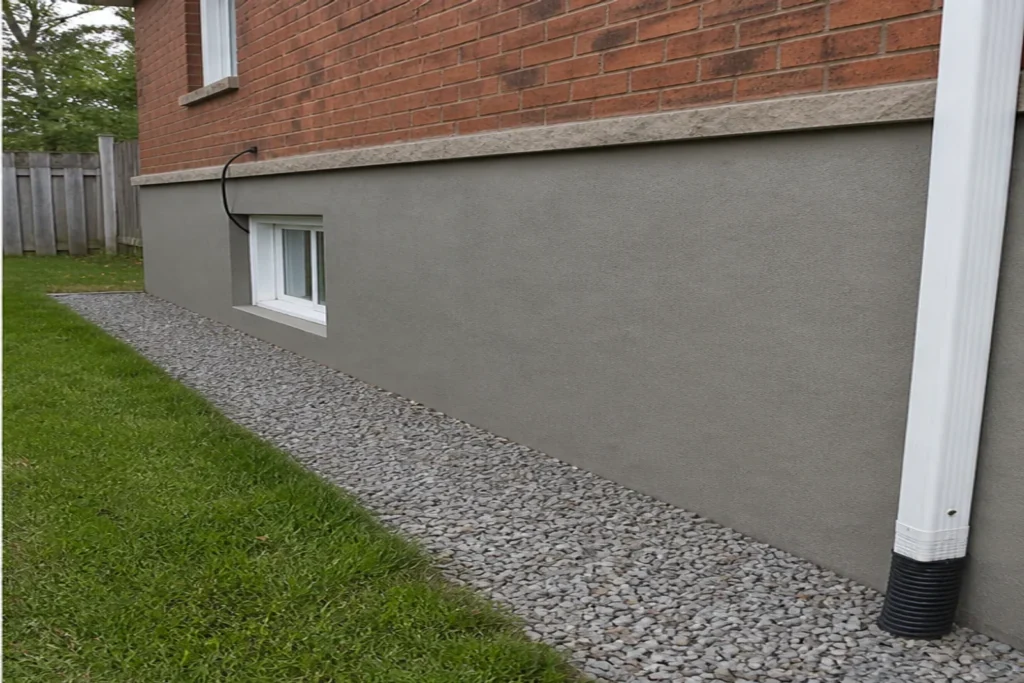
Recoating is usually the better value when hollow areas turn up in several locations, cracks form a network across the wall, or the finish is lifting in sheets. It should also be considered when previous patches are failing or several old coats have built up over one another.
A recoat is not simply a fresh layer placed over the existing finish. Loose, hollow and powdery material still needs to come off. Sound parging can sometimes remain, provided it is clean, compatible with the new system and firmly attached. If most of the existing coat has separated, removing it completely provides a more dependable base.
Paint can complicate the job. Some coatings prevent a cement-based product from bonding properly, so the contractor needs to determine whether the paint can be prepared, must be removed, or calls for a different repair system.
Check What Is Happening Behind the Parging
Parging is a thin finish over poured concrete or concrete block. It can protect the exposed surface from ordinary weather and improve the appearance of the foundation, but it does not strengthen a moving wall or waterproof a basement.
Have the foundation assessed before covering a crack if:
- The crack is becoming longer or wider
- One side of the crack sits forward of the other
- The crack returns after previous repairs
- Water enters through or near it
- The wall is bowing or bulging
- Similar cracks appear inside the basement
- Nearby doors, windows or floors show signs of movement
These signs do not prove that the foundation has a structural problem. They do mean that covering the crack with new parging is premature.
Moisture Problems Need Their Own Fix
Water behind parging weakens the bond. During an Ottawa winter, freezing and thawing can speed up the damage.
Before the wall is repaired, check for downspouts that discharge beside the house, grading that slopes toward the foundation, leaking hose connections, open masonry joints and water collecting beside steps or walkways. White mineral deposits, known as efflorescence, are another clue that moisture is moving through the masonry.
Correcting the source matters more than cleaning the stain. Parging cannot replace foundation crack repair, below-grade waterproofing or proper drainage.
What a Durable Repair Involves
A good repair has four essential parts:
- Removal: Take off loose, hollow and crumbling material until the remaining edges are solid.
- Substrate repair: Address damaged concrete, open block joints and foundation cracks before applying the finish.
- Surface preparation: Remove dust, grit, oil, paint and anything else that could interfere with the bond.
- Application and curing: Use a product suited to the substrate and apply it within the manufacturer’s thickness, temperature and curing requirements.
The product instructions are important because parging mixes are not interchangeable. For example, SAKRETE Parging Mix specifies a maximum thickness of 10 mm per application. A deeper repair must be built in additional layers according to the manufacturer’s directions.
The same data sheet calls for the material to be kept damp or covered for at least three days and protected from freezing. An overly wet mix, rapid drying, heavy rain or a temperature drop during curing can all weaken the result.
Why the Ottawa Weather Window Matters
A mild afternoon is not enough to make late-season parging safe. The wall and the fresh material must remain within the product’s permitted temperature range throughout the early curing period, including overnight.
SAKRETE, for example, requires the mix and substrate to remain between 5°C and 30°C for at least 24 hours before application and 48 hours afterward. Other products set their own limits. The forecast, wall temperature, sun exposure and overnight low should all be considered when scheduling the work.
What to Look for in a Quote
The quote should make the proposed scope clear. It should identify:
- Which walls and how much surface area are included
- How loose material will be located and removed
- Whether concrete, block-joint or crack repairs are included
- The product or repair system being used
- The number and thickness of coats
- The intended texture and finish
- Weather protection and curing procedures
- Cleanup and disposal
- Warranty terms and exclusions
If drainage correction, waterproofing or structural crack repair is required, it should be priced and described separately. Those are different jobs from applying a parging finish.
Common Questions
Can new parging go over old parging?
Yes, but only where the old material is clean and firmly bonded. Hollow, loose or crumbling sections must be removed first.
Will parging stop a basement leak?
No. A leaking foundation crack, poor drainage or failed below-grade waterproofing needs to be repaired at the source.
How soon can new parging be painted?
Follow the instructions for both the parging mix and the paint. SAKRETE advises allowing about 28 days for curing and confirming that the surface is dry before painting.
Repair the Actual Failure
A local patch is a sensible repair when the damage is isolated and the surrounding parging is solid. When hollow or crumbling areas continue across the wall, broader removal and recoating will usually give a more dependable and consistent result.
Ottawa Parging Experts provides local repairs, partial recoating and full foundation recoating. Contact us to arrange an inspection and get a scope of work based on the condition of the wall, not just the damage visible from the ground.
Published by Ottawa Parging Experts, a foundation parging company serving Ottawa and nearby communities. Questions about this article? Contact us.