Parging Cost in Ottawa (2026): A Practical Budgeting Guide
If the parging around your foundation is cracked or flaking, the price can range from a contractor’s minimum charge for a small repair to several thousand dollars for a full removal and recoat.
The difficult part is that Ottawa contractors do not publish a consistent market rate. Current local guides quote roughly $3–$12 per square foot, while one lists a $600–$1,000 minimum charge. Those numbers come from contractor websites, not an independent survey, so they are best used to set a rough budget before obtaining written quotes.
A Reasonable Starting Budget
| Scope | Rough 2026 budget |
|---|---|
| One isolated patch | $600–$1,000 |
| One wall or several repairs | $600–$1,800 |
| Full visible foundation | $1,500–$6,000+ |
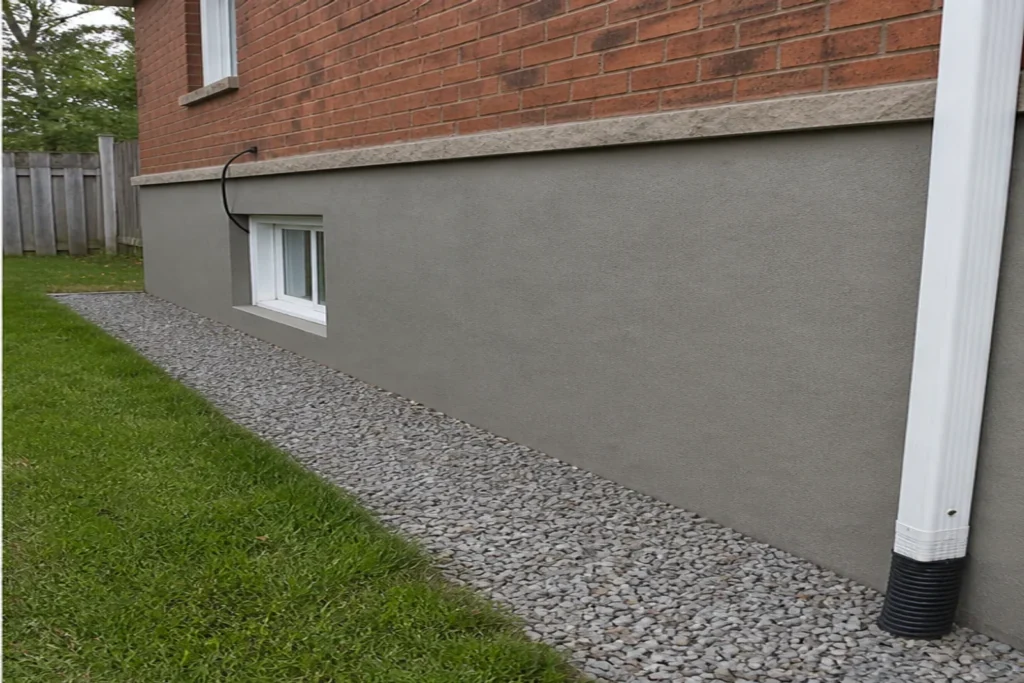
These figures are for above-grade parging, not excavation, waterproofing or structural foundation repair. They are derived from published Ottawa contractor ranges available in August 2026. Ask whether the quoted price includes Ontario’s 13% HST.
The wide ranges are intentional. A 100-square-foot wall with sound concrete underneath is a different job from a wall of the same size that needs its old coating chipped off and the substrate rebuilt.
Measure the Wall, Not Just the Perimeter
Parging is sometimes priced by the linear foot, but that shortcut only works when the exposed foundation is a similar height all the way around the house. Square footage gives you a better comparison, especially on a sloped lot.
Use this simple calculation:
Wall area = length × average exposed height
A house with 150 feet of visible perimeter and an average exposed height of two feet has about 300 square feet of wall. If one side rises to four feet, measure that section separately rather than relying on an overall average.
When requesting estimates, give each contractor the same measurements and photographs. That will not replace an on-site inspection, but it makes the initial conversations more useful.
What Actually Changes the Price
Removal and Preparation
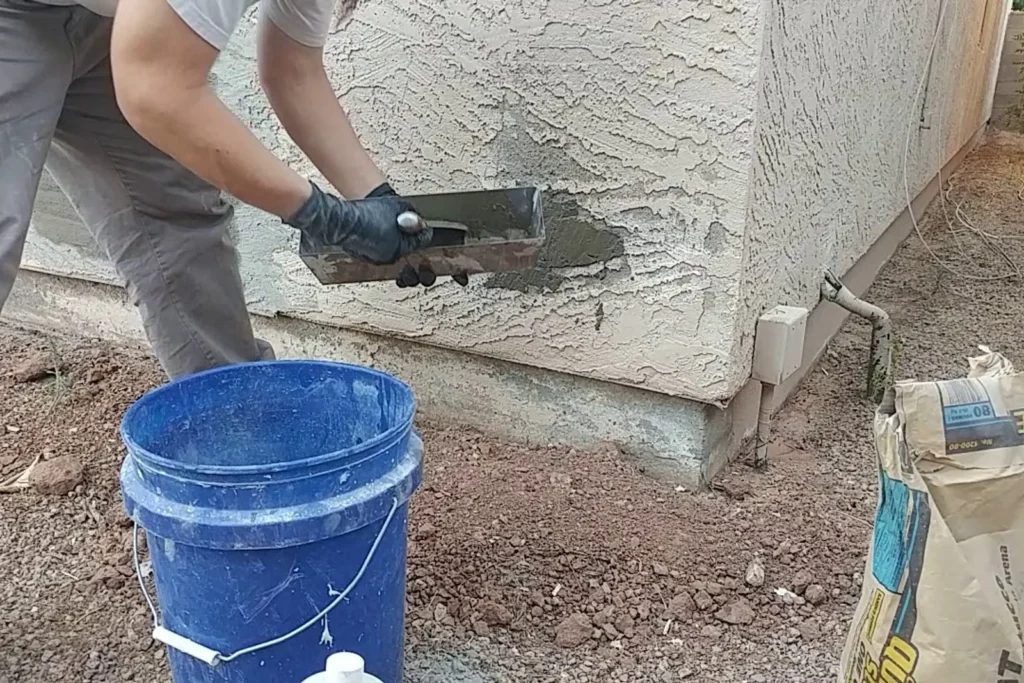
The largest unknown is often behind the visible damage. A small flake may sit beside a much larger hollow area. Loose material must be removed until the remaining edges are sound enough to support the repair.
Ask the contractor how much removal is included and what happens if more delaminated material is found after work starts. “Repair parging” is not a complete scope of work.
Condition of the Foundation
Once the old coating is removed, the wall may show deteriorated block joints, pitted concrete, paint, mineral deposits or cracks extending into the foundation. Those conditions can require separate preparation or repair.
Parging can finish and protect a sound surface. It should not be used to hide a moving crack, deteriorated masonry or an active leak.
Access and Protection
Narrow side yards, decks, steps, window wells, air-conditioning equipment and mature landscaping slow the work. A good estimate should also account for protecting nearby siding, windows, paving and plants, then removing debris when the job is complete.
Product and Installation Method
“New parging” is too vague. The estimate should identify the product, surface-preparation method, number of coats and any reinforcement.
For example, Sika’s instructions for Sakrete Parging Mix call for a sound, clean surface. They specify galvanized wire mesh on loose, unsound or painted concrete, but describe direct application to clean, sound concrete block or poured concrete. That is more useful than a blanket promise that mesh is always necessary.
Finish
A basic finish is easier to price than a custom colour or a close texture match between old and new work. If appearance matters, ask the contractor to describe the expected transition and show examples of similar repairs.
Patch, Recoat or Investigate First?
| What you see | Sensible next step |
|---|---|
| One chip with firmly bonded material around it | Price an isolated patch |
| Several hollow or loose areas on one wall | Compare a larger repair with recoating that wall |
| Widespread failure on several walls | Request a removal-and-recoat assessment |
| A crack that is widening, displaced or repeatedly returns | Have the foundation assessed before cosmetic work |
| Water entering the basement | Diagnose drainage, waterproofing and the crack separately |
| Recurring dampness or white mineral deposits | Identify the moisture source before recoating |
A contractor may tap the wall to find hollow areas, but parging itself is not structural reinforcement or a substitute for waterproofing.
Ottawa Weather Affects the Schedule
Application conditions depend on the chosen product, not a generic “parging season.” Sakrete’s Canadian instructions require the mix and substrate to remain between 5°C and 30°C for at least 24 hours before and 48 hours after application. They also call for protecting the new material from freezing and maintaining moisture while it cures.
That makes the weather forecast relevant even on a warm installation day. Ask how the contractor will handle overnight temperatures, rain, direct sun and curing.
Water management matters too. The City of Ottawa advises homeowners to slope the ground away from the foundation and direct downspouts to permeable areas three metres from the house. If water keeps reaching the wall, a new surface coat may fail without addressing the source.
What a Useful Quote Should Include
Before comparing totals, check that each contractor is pricing the same work:
- Exact walls or measured area
- Removal of loose or hollow material
- Surface cleaning and preparation
- Treatment of visible cracks and damaged concrete or masonry
- Product name and application method
- Mesh or reinforcement, if proposed, with an explanation of where it will be used
- Number of coats and expected finish
- Protection of adjacent surfaces and landscaping
- Debris removal and cleanup
- Start and completion timing
- Price, HST and payment schedule
- Warranty terms and exclusions
- A written process for approving additional work
Ontario recommends obtaining at least three written estimates. It also advises making the chosen estimate part of the contract. If an estimate is included in a home-renovation contract, the final cost generally cannot exceed it by more than 10% unless the customer agrees to new work or a new price and signs a change.
The Bottom Line
For early planning, allow about $600–$1,000 for a small repair, $600–$1,800 for one wall or several repairs, and $1,500–$6,000 or more for a full visible foundation.
Do not choose a quote on price alone. The most useful comparison is the amount of removal, preparation and repair included. If two contractors recommend very different scopes, ask each to show which areas are loose and explain why their approach is appropriate before you sign.