What Is Parging? A Plain Guide to Foundation Parging
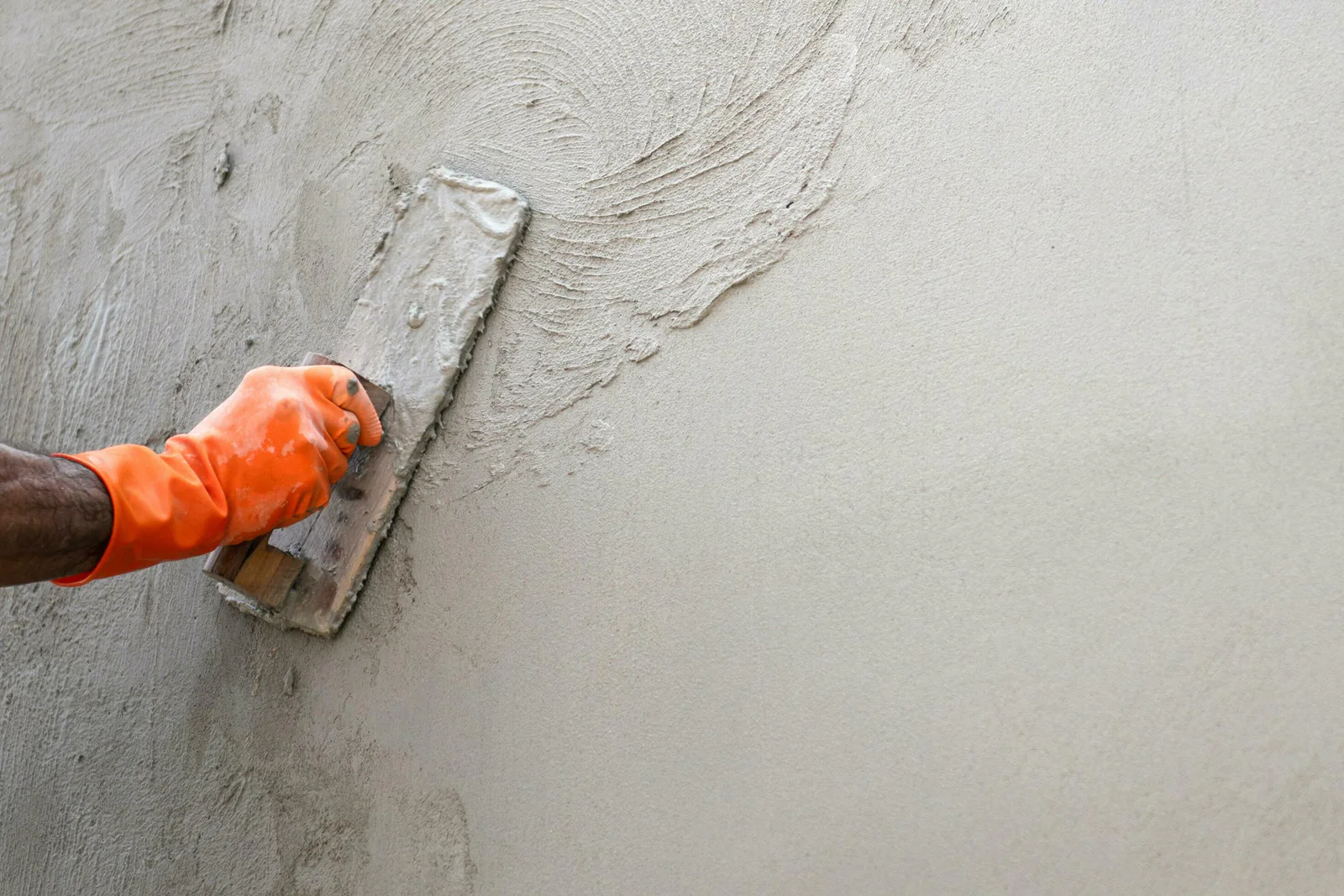
Parging is a thin coat of cement-based or acrylic mortar applied over the exposed part of a foundation wall, usually from the ground up to the bottom of the siding or brick. It protects the concrete or block from water, salt and freeze-thaw damage and gives the base of the house a clean, finished look. On most Ottawa homes it is a quarter to half an inch thick. This guide from Ottawa Parging Experts covers what parging protects, how it fails and when it needs repair.
What is parging?
Parging is a protective skin for the above-grade part of a foundation. Poured concrete and concrete block both absorb water, and bare block shows every mortar joint. A parge coat fills the surface pores, evens out form marks, tie holes and joints, and takes the weather so the wall behind it does not. The word comes from “parget,” an old term for plastering a wall.
What parging does and does not do
Parging protects the surface of a foundation wall. It does not waterproof the foundation or fix structural problems.
- It sheds rain, splash and snowmelt off the exposed wall.
- It slows salt and freeze-thaw damage to the concrete or block underneath.
- It covers uneven surfaces so the foundation matches the rest of the exterior.
It is not a waterproofing system. Water that reaches the wall below grade, through cracks or from poor drainage needs foundation waterproofing or a drainage fix. Parging also does not repair a moving crack. A foundation crack needs to be assessed first, because new coating over a crack that is still moving cracks again in the same line.
Where parging is used
Parging goes on exposed masonry that needs a hard-wearing cement finish:
- The exposed foundation band between grade and siding, often called skirt parging.
- Chimney crowns and stacks, where a sloped cement wash carries water away from the flue. See chimney crown repair.
- The sides and faces of concrete steps and stoops. See concrete step repair.
- Window well walls and the strip of foundation beside a garage door.
Types of parging
There are three main types of parging mix: standard cement, polymer-modified cement and acrylic.
- Standard cement parging: usually sand, Portland cement and sometimes lime. It is durable and affordable but rigid, so it cracks if the wall moves.
- Polymer-modified, fibre-reinforced cement: the same base with added polymers and fibres for better grip and crack resistance. This is the usual choice for Ottawa foundations.
- Acrylic parging: a flexible finish that moves with the wall and comes in colours. It costs more and suits walls with a history of repeated cracking.
For a side-by-side comparison, see acrylic vs cement parging.
How parging is applied
Good parging depends on preparation more than on the coat itself. A typical job follows these steps:
- Loose and failing material is chipped back to sound concrete or block.
- The wall is cleaned of dirt, paint and white mineral residue so the new coat can bond.
- The surface is dampened, and a bonding agent is used where the wall needs it.
- One or two coats are troweled on, sometimes over wire mesh on rough or patched walls.
- The fresh coat is kept from drying too fast and protected from frost while it cures.
Temperature matters. Sakrete’s Canadian instructions for its parging mix call for the mix and the wall to stay between 5°C and 30°C for 24 hours before and 48 hours after application, so outdoor parging in Ottawa runs from spring to fall. Our guide to when to parge in Ottawa covers the timing in detail.
How long does parging last?
A well-applied parge coat lasts roughly 10 to 25 years. Where a wall falls in that range depends on how well it was prepared, how much water reaches it and how hard the winters are. Ottawa goes through dozens of freeze-thaw cycles a year, which is why the band just above grade wears out first.
These are the signs that parging needs attention:
- Hairline cracks that widen or keep reopening in the same place.
- Flaking parging: hard plates lifting off the wall with a clean back.
- Crumbling parging: material that has gone soft and sandy.
- Areas that sound hollow when you tap the wall.
Small, contained damage can be patched, while widespread failure calls for a full recoat. Our parging repair page explains how that decision is made.
What does parging cost in Ottawa?
Parging in Ottawa typically runs $300 to $600 for a small patch, $600 to $1,500 for moderate repairs and $1,500 to $6,000 for extensive repairs or a full recoat. A full perimeter recoat or new application prices at roughly $15 to $30 per linear foot, or about $2,250 to $4,500 on a typical 150 linear foot home. The final price depends on how much old material comes off, wall height, access and the mix used. See our parging cost page for the full breakdown.
Can you parge a wall yourself?
Small cosmetic touch-ups are within reach for an experienced DIYer, but larger repairs are harder to get right. Bagged patching cement from a hardware store is not the same as an exterior parging mix built for freeze-thaw, and most early failures trace back to poor preparation or curing. If you want an opinion before deciding, a free parging inspection tells you what the wall needs.
Ottawa Parging Experts provides free on-site or photo estimates across Ottawa, with a written quote within 24 hours. Get in touch with a photo of your foundation to start.
Published by Ottawa Parging Experts, a foundation parging company serving Ottawa and nearby communities. Questions about this article? Contact us.